Meeting HIROMIX
Aoyama Rendezvous
Part 1
Some Things Are Not on The Surface
It was the mid-2000s, I had already completed a finished manuscript of TOKYO BREATHLESS NEON LOVE and had actually also been through one very rough edit. Although, the text was really raw and still completely out of control. Much like my life at the time. There was actually a period of over 15 years, when the book was completed but never published.
Whenever I saw movies about Tokyo; I felt sad knowing the powerful nature of my book had been left unleashed. You can find out a little more background here... More About the Novel Although, as I have said before on this site...
Some things will never be publicly known about the production of this book.
Both within the book itself and the circumstance that surrounded its creation… It is most definitely layered with many mysteries.
2000年代半ば、私はすでに「TOKYO BREATHLESS NEON LOVE」 の原稿を完成させ、少しストーリーを編集していました。とはいえ、原稿は未完成で、少し磨かれていないでした。 実際には、本は完成したものの出版されなかった期間が15年以上ありました。
東京を舞台にした映画を見るたびに、自分の小説について考えて、悲しくなりました。なぜなら、小説は長い間で出版されなかった状態でした。 しかし、このサイトでも以前に書いたように、この本の制作に関しては決して明かされない事柄もあります。この本には多くの謎が絡んでいます。
ある一人ぼっちの夜、新宿の天涯を眺めているとオーストラリアの友人から電話がかかってきました。 友人たちは有名なストリートファッションブランドのメンバーであり、東京のファッションシーンで人気がありました。 彼らは渋谷の新店舗のオープニングに向け東京へ出発しようとしており、ブランドに関係する友人グループを連れていました。
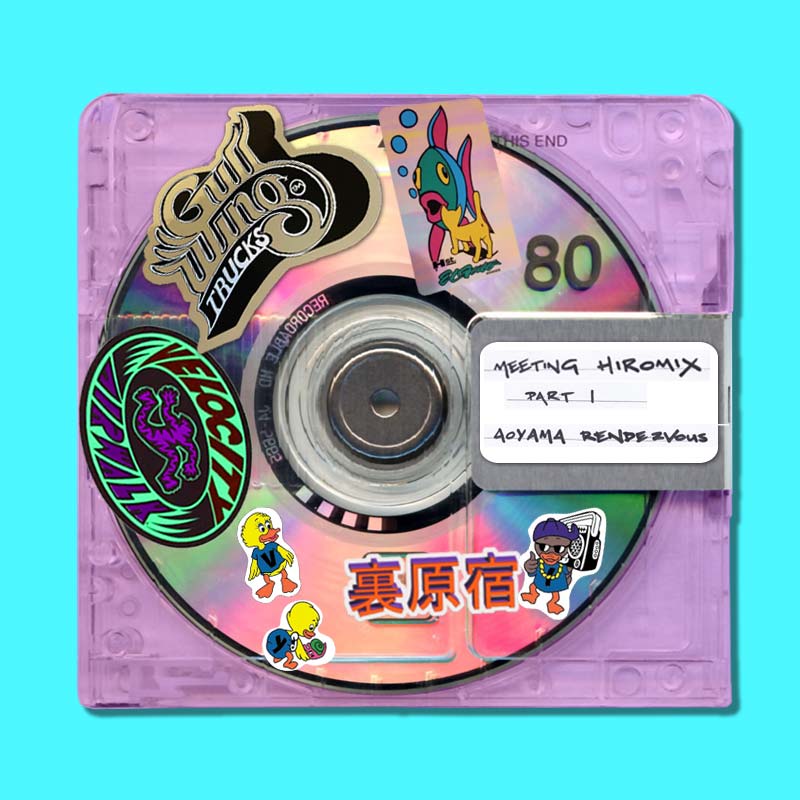
When I first arrived in Tokyo, I used to carry a MiniDisc Player with a microphone around with me, as I wandered around Shibuya. I would record ideas, thoughts and observations which became inspiration for some of the stories in the novel.
Shinjuku Skyline
One night feeling lonely, as I stared out into the Shinjuku skyline, I got a call from friends in Australia - members of a fashion brand that had reached both international fame and a cult-like following in Tokyo's Fashion Scene. They were about to leave for Tokyo for the opening of their new store in Shibuya and were bringing an entourage of their closest friends to accompany them.
Unexpected Arrival of an Independent Music Star
One of the members of their entourage was a vocalist from a very popular band - a friend from home and rising star in Australian Independent Music. All members of the fashion brand's entourage had hotel bookings in Tokyo, except for one - my friend, the vocalist from Melbourne. They asked if he could stay for a few days with me.
It was far from 5-star hospitality for a rising musical talent, but we made do. We used scissors to cut layers of cardboard into the shape of a futon bed and my friend brought a sleeping bag - which we placed on the stacked cardboard sheets on the floor.
My apartment was beyond tiny, but had a giant window, near floor to ceiling - looking out into the city. In the midst of the freezing Tokyo winter, it was like camping out in the cold with a brilliant view of Shinjuku in the night sky.
Crazy Adventures in Tokyo
Every night we would go out exploring the city - going on adventures through the streets, looking for excitement and eating late at night at Family Restaurants - called 'Famiresu' in Japanese. Exploring parks close to Shinjuku and laughing watching the most ridiculous videos we could find on the mid 2000s broadband internet. Wi-Fi wasn't widely adopted at the time - people mainly used Ethernet Cables plugged into a Router and YouTube was still a novelty.
Anyway...
On the last night of my friend's stay, we were invited to an exclusive party for our friend's new shop. The party was to be held at a club called in Le Baron de Paris.
新宿の美しい景色
彼らのグループのメンバーの一人は、オーストラリアのインディーズ人気バンドのボーカリストでした。 彼は私の友人でもありました。ブランドに関係するグループのメンバー全員が東京にホテルを予約していましたが、メルボルン出身のボーカリストである私の友人だけは例外でした。 彼らはボーカリストに私のアパートに数日間泊まってもらえないかと私に尋ねました。
その頃、私のアパートは、決して5星の宿のような所ではなくって、有名なミュージシャンに相応しい贅沢さではなかったです。 しかし、私たちの想像力を働かせて、段ボールを何枚もハサミで切って布団を作り、床の上に敷きました。友人は寝袋を持ってきて、それを段ボールの布団の上に敷いていました。
アパートには、床から天井まで届くほど大きな窓があり、街の景色を眺めることができました。東京の真冬に、 夜空に輝く新宿の素晴らしい景色を眺めながら、寒い中でキャンプをしているような気分でした。
東京のクレージーな冒険
毎晩、私たちは街を冒険しに出かけました。通りを冒険したり、楽しいことを探したり、ファミレスで夜遅くまで食事をしたりしました。 私たちはまた、新宿近く公園を散策したり、2000年代半ばのインターネットで見つけた最もクレージーで面白いビデオを笑ったりして楽しんだ。
友人の滞在最終日の夜、私たちは特別なパーティにゲストとして招待されました。パーティは「ル・バロン・ド・パリ」というクラブで開催される予定でした。
ル・バロン・ド・パリ東京
ルバロンドパリは、André Saraiva、Lionel Bensemoun、Marc Newson、Nick Woodによって2006年に設立されたナイトクラブでした。 外苑前駅のすぐ近く南青山に位置していました。東京ので、私のお気に入りのエリアの一つです。
ルバロンドパリは東京では本当に初めてのジャンルであり、東京のナイトクラブの歴史においてこのようなものはなかったと思います。 これまでもセレブリティ向けの高級クラブは存在しましたが、ルバロンドパリは全く異なっていました。ルバロンドパリは、 アート、ファッション、音楽、東京とパリのストリートカルチャーに興味を持つ、非常に特別なタイプのセレブリティとつながりを持っていました。
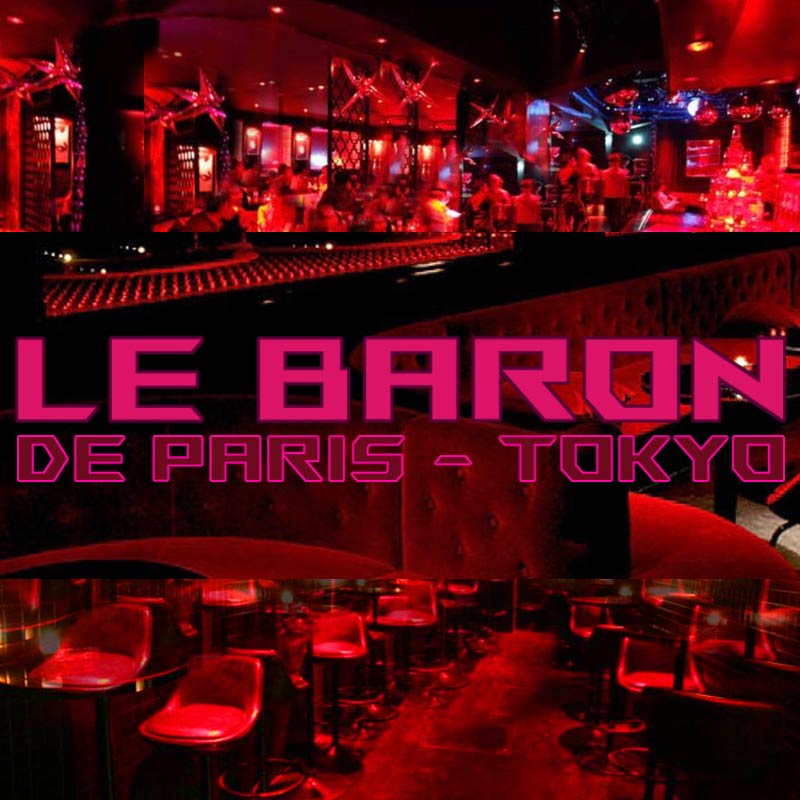
Rendezvous at Le Baron de Paris
Le Baron de Paris was a nightclub established in 2006 by André Saraiva, Lionel Bensemoun, Marc Newson and Nick Wood. It was located in Minami-Aoyama, very close to Gaienmae Station - one of my favorite areas in Tokyo.
A Unique Nightlife Genre in Tokyo
The club was really a first in genre for Tokyo and there had been nothing like it in Tokyo's nightlife history. While there had been other exclusive venues tailored to celebrity clientele - many of them were literally that - places where celebrities, entertainment executives or large company owners mingled. Le Baron de Paris connected with very particular types of celebrities - those interested in art, fashion, music and a cross between Tokyo and Parisian Street Culture.
Hub for International Celebrities in Japan
It was the first stop for travelling film directors, fashion designers, hip hop superstars and generally many overseas personalities seeking a different type of aesthetic to the mainstream to connect with other international level creators.
Upon confirming that we were on the guest list we entered the club - which by the names written on the pages of the list, seemed to be filled with those famous in the fashion industry.
Electro Aesthetics in Deep Crimson
The one thing that hit you as you descended the stairs into basement of the Aoyama building was the interior aesthetic - Deep Crimson Shades of Color and a sea of glittery socialites moving to and fro - in waves of electronic sound. In the later 2000s and early 2010s, Tokyo had a flourishing Electro Scene and Le Baron de Paris vibrated until the early hours of the morning as its key center.
Creative Street Style
Around that time, I wore a lot of extreme color combinations, custom made clothes and occasionally accessories I made myself. It got to the point where friends walking next to me, would ask me to change my clothes because the contrast and brightness of the colors was making them feel embarrassed. Regardless of their repeated requests - I never changed my clothes.
Brightly Colored Sukajan Jacket
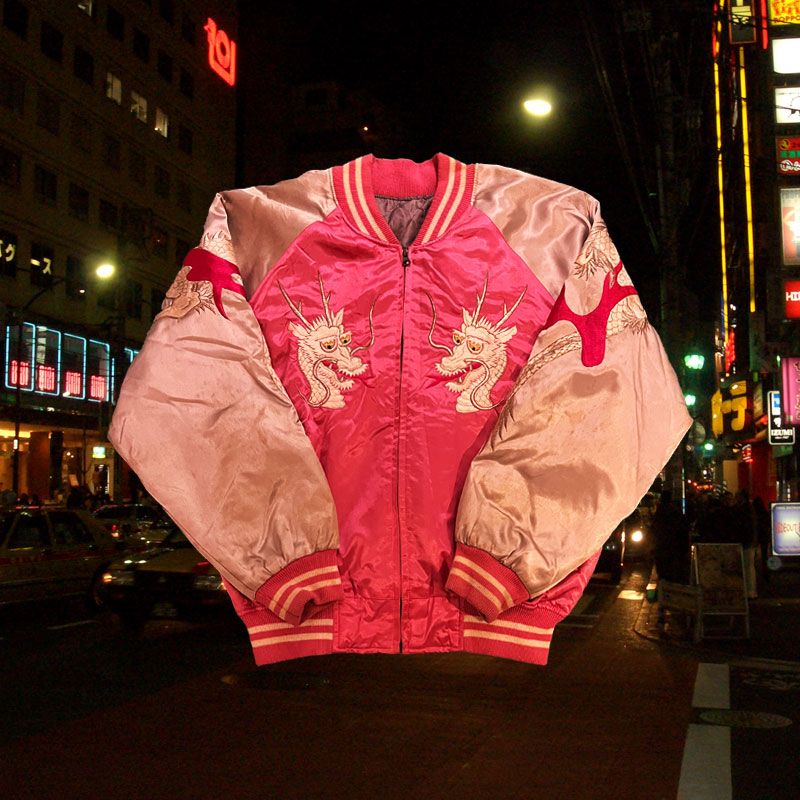
I used to wear a Bright Pink Sukajan Jacket which I had made for me. 'Sukajan' are semi-modern, semi-traditional jackets often with a satin finish - usually heavily embroidered. The name is derived from 'Yokosuka' the city where the jackets originated. It was so bright, that it was extreme even for Tokyo at the time and caused a lot of people to stare on the street.
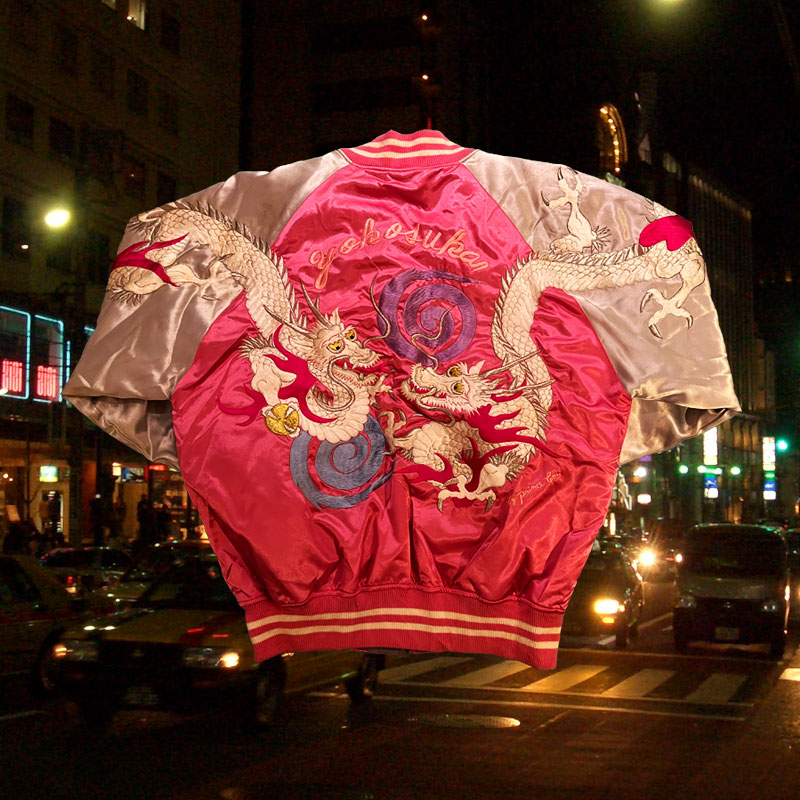
An image of the original Sukajan Jacket. The intensity of color the fabric may have faded slightly compared to when it was made in the 2000s.
当時、多くの旅回りの映画監督、ファッションデザイナー、ラッパー、スーパースターが、 他の国際レベルのクリエイターとのつながりを求めてルバロンドパリを訪れました。 ゲストリストに載っていることを確認し、クラブに入りました。リストに書かれた名前を見ると、ファッション世界の有名人がたくさんいるようでした。
最初、ルバロンの階段を降りると、魅力的なインテリアデザインに感動しました。 深紅、緋色、紅、桜色と色んな赤の種類の色のミックスでした。 ダンスフロアでは、おしゃれな人々が、エレクトリックビートに合わせて水の流れのような動きで踊っているのが見えました。 2000年代後半から2010年代初頭にかけて、東京ではエレクトロ・シーンが活発に展開され、その中心はルバロンドパリでした。「エレクトロ」はテクノミュージックのスタイルです。
"Deep Crimson Shades of Color and a sea of glittery socialites moving to and fro - in waves of electronic sound"
カラフルなストリートスタイル
その頃は、非常に明るい色の組み合わせの服、オーダーメイドの服、時には自分で作ったアクセサリーをたくさん着ていました。 色のコントラストと明るさのせいで隣を歩いている友達が恥ずかしい思いをして、服を着替えるように言うほどになりました。 友達が何度も頼んでも、私は自分のスタイルも洋服も少しも変えませんでした。 当時、特注で作ったとても明るいピンクのスカジャンをよく着ていました。 そのスカジャンは、2000年代の東京でもかなり派手で、街行く多くの人が衝撃を受けていました。
クラブに入るとすぐダンスフロアへ行き、フロアの真ん中で、一人で踊っていました。 他人が私のことをどう思うかなど気にせず、夢中でクレージーに踊りまくりました。しかし、 自分の動きは完全に狂っていたわけではないが、周りの人にぶつからないように注意していました。 何れにしても、周りの人たちから見れば、私はクレージーな人のように見えただろう。
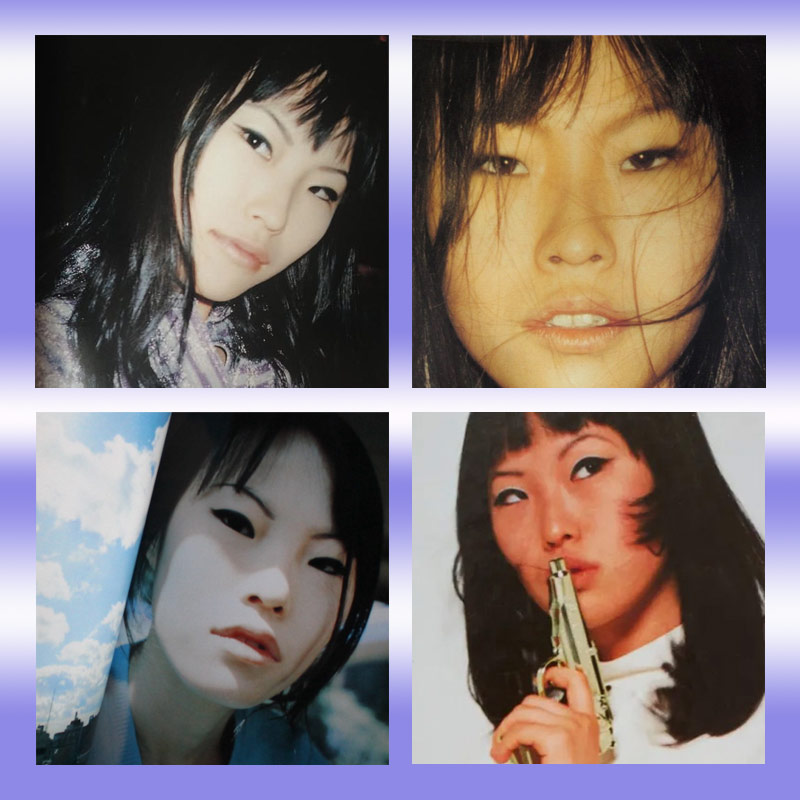
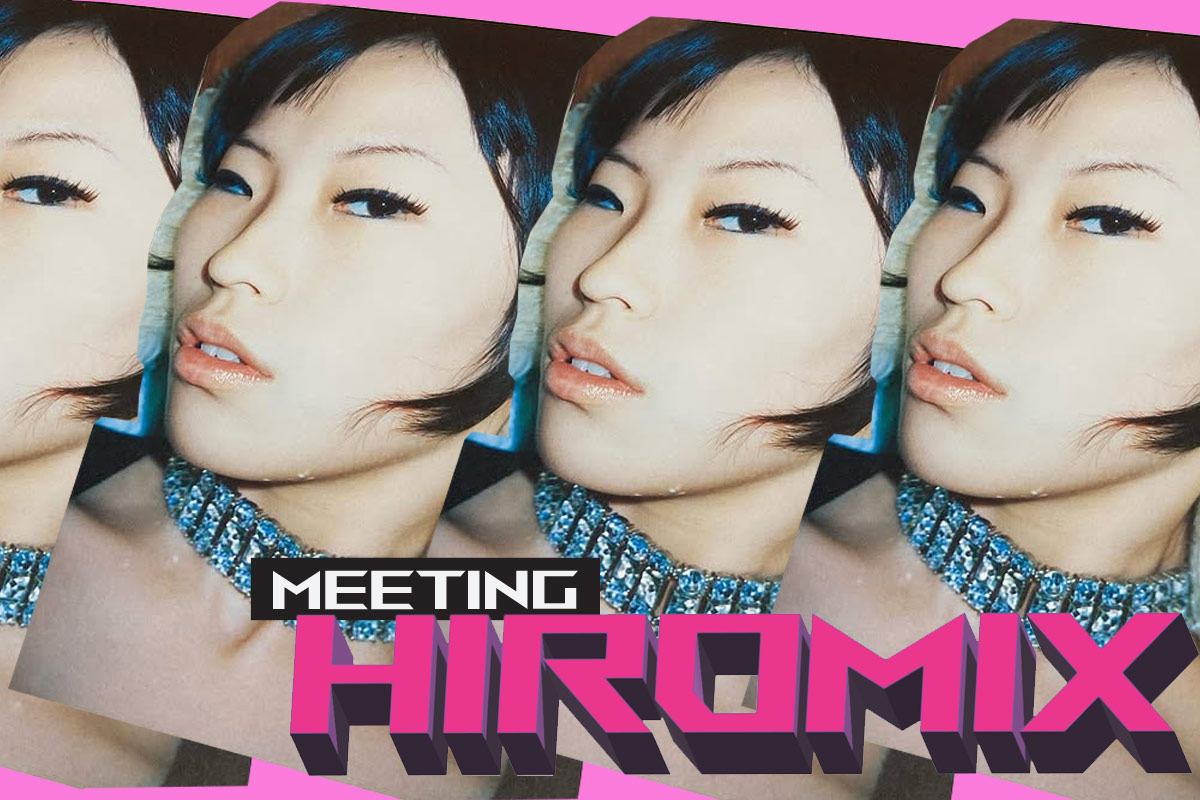
Montage style arrangement of photographs by the artist - Hiromix.
Lost in the Rhythm on the Dancefloor
Upon entering the club, I avoided mixing with the cliques of coolly clad socialites and went straight to the dancefloor - dancing in the middle of the floor by myself. I went completely crazy dancing in my own world, without care of what people thought of me. Though my movements were not completely crazy, but perhaps - coordinated crazy. Carefully avoiding bumping anyone around me, in a semi-nonsensical rhythm - feeling the beat in my own world.
This caused a lot of shocked and curious looks from around the room, as it was the sort of crowd where certain amount of restraint was expected considering the celebrity presence.
Curiosity from The DJ Booth
Behind the DJ booth, I saw a small head bobbing and ducking to look at me in between mixing tracks, although I kept dancing in a nonsensical fashion. The DJ peered over the mixing equipment at me often, while concentrating on synchronizing beats and tracks.
The Approach of a Powerful Silhouette
After only a very short time, perhaps the space of two or three songs more, there was DJ set changeover and the rhythm of the sounds slowed to a deeper faded beat. Amongst a crowded dancefloor, the DJ stepped around the mixing equipment and moved with complete purpose through rhythmic motions of bodies in a straight line directly towards me. I saw a petite, beautiful woman with long hair in a defined cut walking toward me, accompanied by a young man who appeared to be in his mid to late 20s. While she may have been petite in size, she moved with a powerful sense of confidence, focus and concentration, cutting through the crowd. They walked straight up to me and the woman said...
"Hello, my name is Hiromix."
"Hi, my name is Sean." I replied.
Hiromix Superstar
Hiromix - whose full name is Hiromi Toshikawa - is a Superstar in the world of photography and became a cultural phenomenon in the world of art, fashion and Japanese Pop Culture. Her photographic work, documenting Tokyo at the time became an overnight sensation not only in Japan, but internationally - with multiple photographic books gaining both underground and mainstream popularity all over the world. To this day, I have never heard of a young Japanese creative person having such an impact globally.
DJブースの後ろで、私が意味不明なダンスをしている間、女性DJが私を見ていました。 DJはビートとトラックのミックスに集中しながら、ブース越しに私を時々に見ていました。 ほんの少しの時間、多分2,3曲ほど経った後、DJセットが変わり、音楽のリズムがより柔らかいビートに変わった。 DJはミキシング機器の周りを歩き回り、混雑したダンスフロアをまっすぐに私のほうへ向かってに動きました。 長髪をきれいにカットした小柄でとても美しい女性が、20代半ばと思われる若い男性と一緒に私の方へ歩いてくるのを見ました。 女性は小柄だったかもしれないが、強い自身と集中力を持って、人々の群れの中を集中して歩いていた。 その女性から強力なオーラを感じ、彼女には何か特別なものがあると思いました。
「Hello, my name is Hiromix.」と女性は言いました。
「Hi, my name is Sean.」と私は答えました。
ヒロミックス スーパースター
ヒロミックス(本名:利川裕実)は、写真界の天才であり、アート、ファッション、日本のポップカルチャーの世界でスーパースターになりました。 当時の東京を記録した彼女の写真作品は、日本だけではなく国際的にも一躍有名になりました。 ヒロミックスによる数々の写真集は、世界中でアンダーグラウンドとメインストリームの両方で大人気になりました。 当時も今も、日本の若いクリエイティブな人が世界にこれほどの影響を与えているという話は聞いたことがありません。
ヒロミックスの才能
今このページを書いていると、ヒロミックスが90年代と2000年代にどれほどの影響を与えたかを伝えるのは簡単ではありません。 インターネット上の英語では、彼女が触発したムーブメントについて最近書かれた記事がありますが、当時の本質はそのまま伝えられていないと思います。 多くの場合、筆者は90年代か2000年代に何が起こっていた体験できる年齢で生まれていなかったり、 あるいは日本に住んでいなく、当時のエネルギーがあった体験していなかったりするのです。 これらの記事を読むと、誰かが雑誌とインターネットで過去について学んだ情報を要約しているように感じます。
日本で好きなファッションブランドがどれだけ大きくなったか、ちょっと想像できれば。。。 ヒロミックスも東京のトップレベルの多くと同等か、 それ以上の規模でした。しかし、彼女はただ一人の人間でした。 ファッション会社にはデザイナー、プレス、生産チーム、販売スタッフなどがいます。彼女は、唯一の力として、アーティスティックムーブメント全体を一人で導きました。
ヒロミックスがアート、ポップカルチャーとファッションに与えた影響は絶大でした!
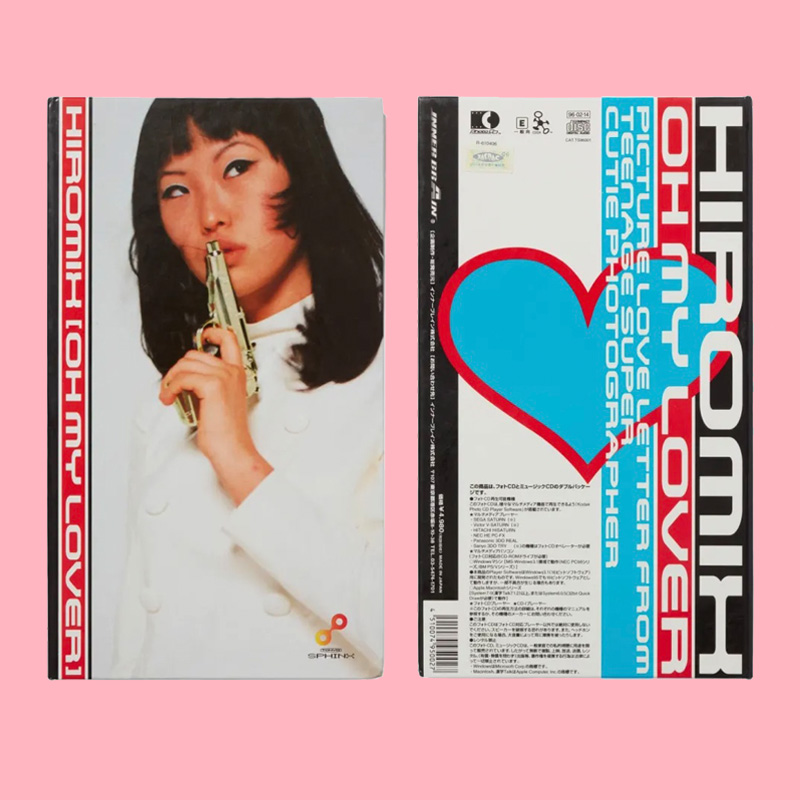
HIROMIX's Artistic Impact
Writing this in 2025, it is not easy to convey how much of an impact Hiromix had in the mid to late 90s and 2000s. You might find or read articles about her written in recent times, detailing a generic theme of the movement she inspired. Although in many cases, the writer was not born at a time when they were old enough to experience what was going on in the late 90s or 2000s, or also just not living in Japan and experiencing what was going on in aesthetics at that time.
HIROMIX's Popularity was Huge in Japan and Internationally!
A Singular Artistic Force Leading Japanese Pop Culture
If you can imagine some of your favorite Japanese Fashion Brands and how famous they became, or perhaps… How much of an underground following they inspire. Well, Hiromix was at least as big as many as of Tokyo's Top Labels - if not bigger. The only thing is she was just - one person. Fashion companies, have designers, press, production teams, sales staff etc... She guided a whole aesthetic movement by herself - as a singular force.
Cosmic Level of Creativity
Before I first arrived in Tokyo, I saw features about her in every fashion magazine and after I arrived on billboards all around the city. While she was primarily known for her distinct talent for photography - her creativity flowed into every aspect of Japanese Popular Culture. There were T-Shirts, Fashion Items, Drawings, Graphics, Advertising (styled by Hiromix), TV Commercials, Video Clips, Music CDs, and even Interactive CD ROMs - a type of media popular in the 90s and early 2000s. She also modelled and featured in movies at the time - notably Sofia Coppola's 'Lost In Translation'.
A Level of Celebrity Beyond Elusive
She was the epitome of the Japanese term 'Maruchi-Tarento' - meaning simply - multi-talented and exceptional in more than one medium. Also, while being involved in so many streams of artistic media - she was also extremely selective as to what she would be involved with. She never took opportunities just for the sake of exposure. It was hard to find interviews with her at the time and I never heard of anyone I else I knew seeing her in public or let alone meeting her in person.
Talent Beyond Imitation
Although while so many young, ambitious creatives tried to be like Hiromix - nobody could do it. It would be asking someone to model their career on Andy Warhol and reach his success.
It was impossible.
There was also a lot more to Hiromix's work than what one could see on the surface. What they saw and tried to emulate, was only that - the surface. They could not see into the emotional intensity and deep talent of the actual person. She was a Superstar for being herself, with her own fashion and creative world - just as much as for her photographic work.

コズミックレベルのクリエイティブ
初めて東京に来る前に、たくさんのファッション雑誌でヒロミックスの特集と作品を目にしましたし、東京に来た後は町中の看板で見かけました。 ヒロミックスは主に写真の才能で知られていましたが、彼女の創造力は日本のポップカルチャーの多くの部分に流れ込んでいました。 ヒロミックスのクリエイティブ作品には、Tシャツ、ファッションアイテム、絵、グラフィック、広告、テレビCM、音楽PV、 さらには90年代から2000年代初頭にかけて人気を博したメディアの一種であるインタラクティブCD-ROMなど、たくさんの種類がありました。 彼女は当時、モデルとしても活動し、映画にも出演していました。特にソフィア・コッポラの「ロスト・イン・トランスレーション」が有名です。
マルチタレントの芸術家
ヒロミックスは間違いなくマルチタレントで、多くの芸術的才能を持っていました。 また、彼女は色な芸術メディアに関わっていながらも、自分が関わるものについては極めて慎重に選んでいました。 彼女はメディアの注目を浴びるためだけにチャンスをつかむことは決してなかったです。 当時、ヒロミックスのインタビューを見つけるのは難しく、私の知っている人が彼女を見たことか、直接会ったという話は聞いたことありませんでした。 多くの若いクリエイターがヒロミックスの真似をしようと試みましたが、誰も成功しませんでした。完全に無理でした。
ヒロミックスの作品には、表面から見えるもの以上のものがたくさんありました。他のクリエイターが見て真似しようとしたのは、ただ表面だけだったのです。 彼らは、本人の強い集中力と深い能力を見抜くことができませんでした。彼女は、写真作品だけではなく、自分らしくあり、独自のファッションと創造的な世界を持つスーパースターでした。
話をしながら、ヒロミックスと彼女の友達と私の3人で踊りました。ヒロミックスは私に質問をし始め、彼女の友人がそれを英語に通訳していました。 しかし、ヒロミックスと彼女の友人はすぐに私には通訳が必要ないことに気付きました。
当時は日本語を話せる外国人は今よりも少なかったです。彼女は少し驚いたようでしたが、それが私に多くの質問をするきっかけになったとは思えません。 もしかしたら、私が踊っていたクレージーなダンスか、物事に対する私の意見、あるいはカラフルな服装のせいかもしれません。 いずれにせよ、ヒロミックスはこの出会いを楽しんだようで、私たちが話を続けている間も笑い続けていました。ヒロミックスとその友人は、私が純粋な意味で変わった人間だと思っていた可能性もあると思います。
私はヒロミックスの鋭く洞察力のある視線をはっきりと感じました。 まるで視覚で私の情報を探しているかのようでした。彼女は私の言うことを熱心聞いていたが、それは視覚的な世界を通して「聞いている」ようだった。 日常会話から始まり、ヒロミックスは私にたくさんの質問をし始めました。

Having Fun Dancing
While speaking, we danced in a group of three - Hiromix, her friend and me. Moving to rhythm of the sounds and lights, Hiromix starting asking me questions to which her friend translated into English - but they quickly realized that I didn't need a translator.
Foreign Japanese Bilinguals Were Rare in the 2000s
At that time, foreigners who spoke Japanese were quite unusual - actually somewhat rare. While it did give her a bit of a surprise, I don't think that is what caused her to ask me so many questions. It could have been the crazy dance movements I was doing or my opinions on subjects - or perhaps my unusual clothes. Whatever the case, Hiromix seemed entertained by the encounter and laughed as we continued to speak. I think that Hiromix and her friend could have possibly thought - that I was just an unusual person in the purest sense.
Hiromix's Perceptive Insight
I distinctly noticed Hiromix's sharp, perceptive gaze. It was as if she was gathering information about me by visual observation. Although she was listening to what I said intently, it was like she 'listened' through the visual world - starting to ask me many questions, which started off as small talk…
"Where are you from?"
"How come you speak Japanese?"
"How long have you been in Japan?"
"What are your impressions of Tokyo?"
To deeper questions about my experiences in Japan and thoughts about different parts of Tokyo - leading to more abstract questions about my favorite colors and combinations of color. She asked a barrage of questions, all of which varied - in some ways to test me and see what type of person I was - through the refined perspective of an artist.
TO BE CONTINUED...
By SEAN KAVANAGH
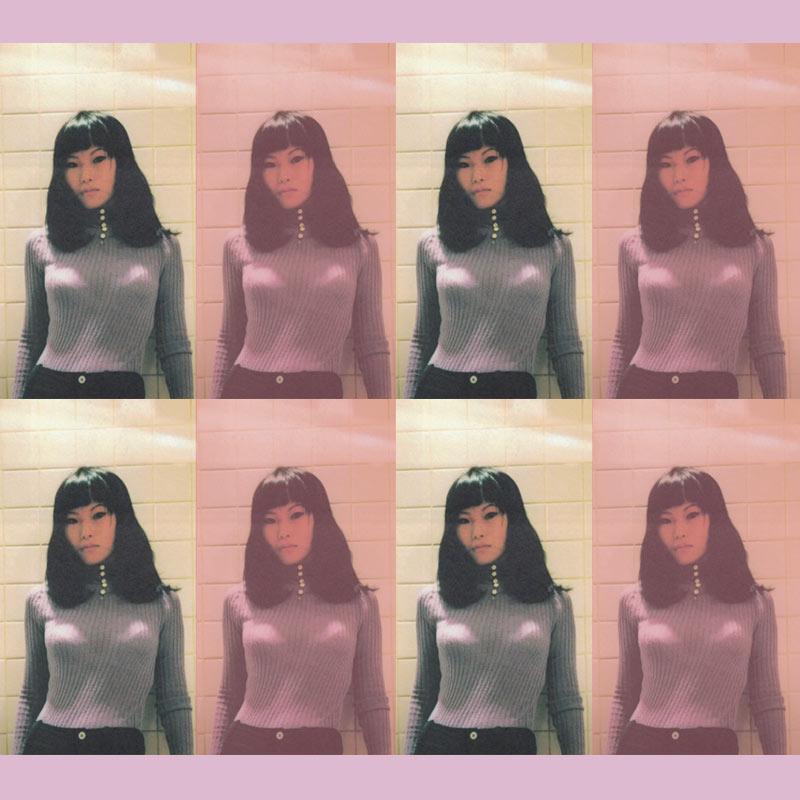
Montage style arrangement of one of Hiromix's famous self-portraits.
「出身はどこですか?」
「どうして日本語が話せるんですか?」
「日本にはどれくらいいるの?」
「東京の印象はどうですか?」
その後、ヒロミックスは私の日本での経験と東京のいろいろな場所についての考えなどについてさらに深い質問をし、 私の好きな色と色の組み合わせについての質問へとつながりました。彼女はまるで私がどんな人なのかを試すために質問をしているようでした。 すでにヒロミックスの考え方を感じており、それは本当に天才的な芸術精神からきているように思えました。
「続きはまた今度」
追記: あなたにこれらの記事を書くために、努力しなければなりません。私は日本に生まれた人ではないから、日本語の文章を頑張ればなければありません。 日本語が100%ではないとしても、メセージが一番大切だと思っています。日本では人々が「愛してる」を直接に言うのは、難しいかもしれません。 それでも、私は「日本を愛してます」と直接に言えます。そうじゃないと、TOKYO BREATHLESS NEON LOVEを書くことができませんでした。 単純に説明すると私の小説のメセージは「LOVE FOR JAPAN」を伝えています。もしかしたら、あなたは今日本か世界のどこかでこのページを読んでいるかもしれません。 このサイトの記事を通して、少しでも私の愛情があなたに伝われば十分です。TOKYO BREATHLESS NEON LOVEはまだ日本語に翻訳されていませんが、きっとあなとの心の奥深くに届くと思います。 できれば、この記事とサイトをSNSで友達とシェアしてください。
ショーン・カバナ
If you are enjoying the articles on this site… Please consider getting TOKYO BREATHLESS NEON LOVE at the link below. If have made it this far on the page, I am sure it is going to be easy for you to read the book.
Put simply it is a novel about...
LOVE FOR JAPAN
In your heart - if you love Japan deeply... This book will love you right back.


© Copyright Reserved Sean Kavanagh 2023
Contact: seankavanagh10@protonmail.com
Copywriting, Web Development, Design & Translation by Sean Kavanagh