Electric Lime & Yellow
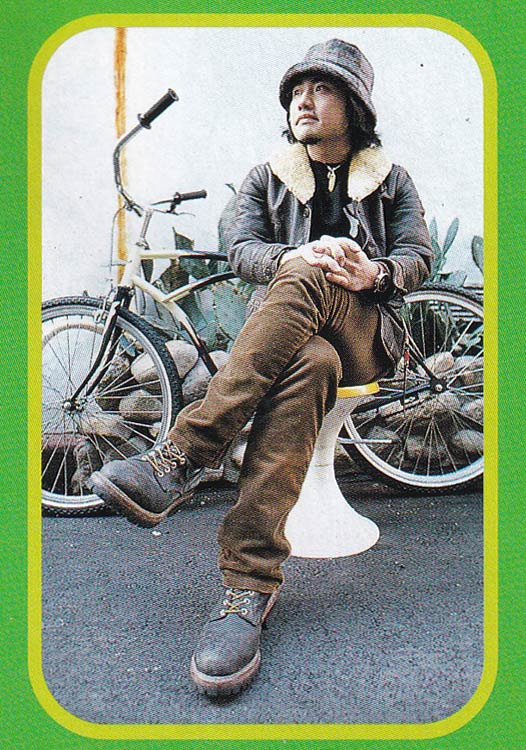
Street Snaps from the 90s
Most people think of Ura-Harajuku fashion as linked to a limited, very small group of very famous brands. Although during the early 90s, a lot of fashion in the area was made up of imported second hand clothes and resellers. In fact, a lot of Harajuku's most famous designers would fly to the States and bring back second-hand vintage pieces to study, redefine, wear or sell.
Vintage Cartoon Aesthetics
I distinctly remember phases when people around me would mix underground Ura-Harajuku labels with very specific classic vintage cartoon style prints. Although the style was not just random, there were very specific cartoon character prints and vintage styles that were brought into the mix.
Ura-Harajuku Style Throughout Japan
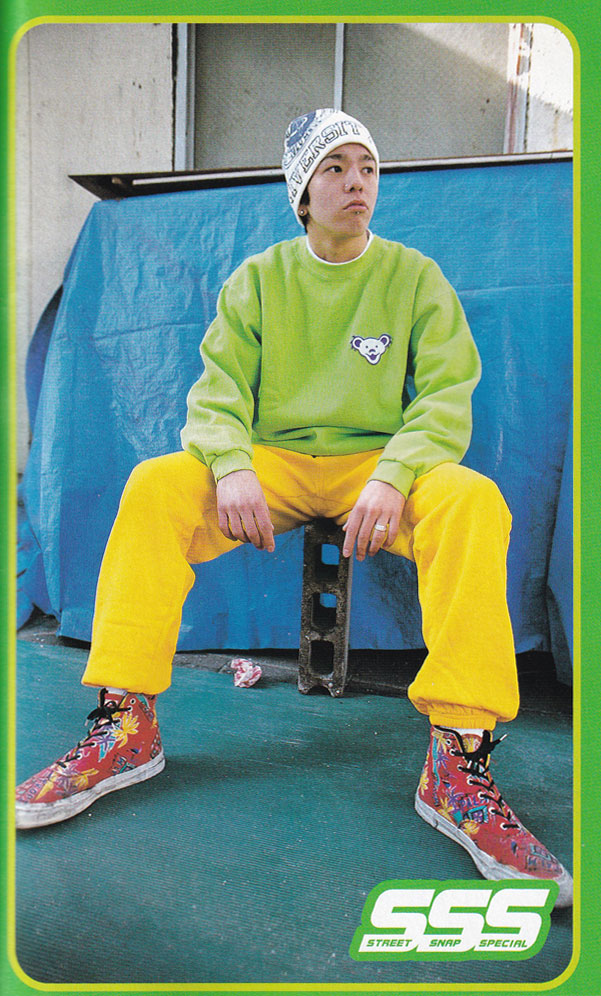
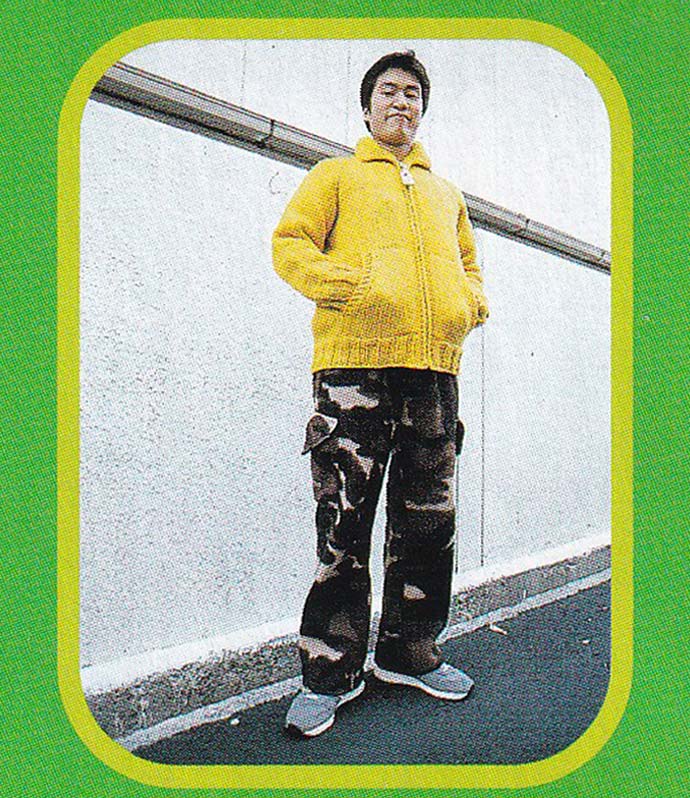
These images are from a 90s Ura-Harajuku magazine but were not actually taken in Tokyo. The photographs were taken around Tor Street in Kobe - you can clearly see how Tokyo's Fashion Culture was influencing other areas around Japan. Already in the 90s the Ura-Harajuku movement was spreading throughout Japan.
日本以外の国では、裏原宿ファッションは国際的に有名なファッションブランドだけであると考える人が多いです。 しかし、90年代には多くのクリエイターがアメリカのストリートウェアを輸入し、当時の多くのブランドとスタイルに影響を与えました。 90年代の原宿のデザイナーが古着を研究し、洗練させていたのはとてもクリエイティブだったと思います。
私がはっきり覚えているのは、クリエイティブな人たちがアンダーグラウンドな裏原宿のブランドと、 非常に独特なクラシックなビンテージのアメリカのカートゥーンのプリントをミックスしていた時代です。 特定のキャラクターのプリントとヴィンテージスタイルが混在していました。決してランダムではなく、 流行しているキャラクターもあれば、そうではないキャラもありました。
これらの写真は90年代の裏原宿雑誌からものですが、東京で撮影されたものではありません。 写真は神戸のトアロード周辺で撮影されたもので、原宿のファッションスタイルが全日本にどのような影響を与えているかが見えます。
Make TOKYO BREATHLESS NEON LOVE part of your collection...
CHECK OUT THE BOOK HERE!
The Influence of Rave Culture on Streetwear
I really like the intense lime green and yellow colors in these images from the 90s. Around this time Rave Culture had a major influence on Streetwear Fashion. Sometimes I saw outfits in strictly street or utility-based styles with intense Cyber color coordinates.
Street Level Celebrities
A lot of Harajuku's best creators at the time were not actually the fashion designers that became famous internationally. From my perspective, they were people on the street with their own distinct styles. If you scoured through old copies of FRUITS Magazines you might be able to see some of those people that were well known at street level. Most people had to wait in a long line to get their photo taken for FRUITS, Smart or Boon Magazines.
The Most Futuristic Were Never Recorded
Although, there were others... Some of the most creative with styles like no other that were never recorded via photograph or film. I feel sad, as I write this remembering some of those people I knew from Harajuku Streets not knowing where they are now. Some of the most intense, futuristic and colorful styles I remember were reflections of the inner creativity of the people who wore them... and they didn't really want their photo to be taken… Or whose lives did not allow them to be public.
90年代のこれらの写真のエレクトリックライム緑と黄色の色合いがとても気に入っています。 この頃、レイヴ・カルチャーがストリートファッションに大きな影響を与えていました。 時には、ストリート系をベースにサイバーカラーを鮮やかなサイバーカラーをコーディネートした衣装も見かけるようになりました。
当時の原宿で最も興味深いクリエイターの中には、実際には国際的に有名になったファッションデザイナーではなかった人もいました。 私の視点から見ると、彼らは独自のスタイルを持つストリートにいる人たちでした。 FRUITS雑誌の古い号を検索すれば、ストリートレベルでよく知られた人物の何人かを見つけることができるかもしれません。 ほとんどの人は、FRUITS, Smart、Boon雑誌用の写真を撮るために長い列に並ばなければなりませんでした。
しかし、中には他に類を見ないスタイルで、写真、フィルムとビデオに記録されることなかった、非常にクリエイティブな人たちもいました。 この文書を書いていると、原宿の通りで知り合った人たちが今どこにいるのかも分からないことを思い出して悲しくなります。 最も未来的でカラフルなスタイルの人の中には、写真を撮られることをあまり望んでいない人もいた。 あるいは、生活の都合で公に知られることのできない人もいました。
平成時代に、東京で多くの事業者と話しをしたが、彼らは原宿と渋谷のファッションをただクレイジーだと考えていました。 多くの普通の人たちは、それを日本の文化の特別な一部とは見なしていませんでした。しかし、私は彼らの意見に同意しなかったです。 当時、平成の原宿と渋谷について思ったことと印象を記録しておくことは重要だと考えました。原宿と渋谷は特別な所だと思っていました。フィクションの物語を通して、経験に基づいて心から感想を書きました。
Why I Documented Ura-Harajuku As It Was Happening
In the 90s and 2000s, mainstream Japanese society saw fashion Harajuku and Shibuya as just crazy and not worth paying serious attention to. Although, I did and spent a lot of time recording my thoughts and impressions at the time. I think you can tell I write to you honestly... From the heart based on what I experienced first-hand.
Outrageous Adventures in the 2000s
It was definitely not normal for young Western people in the 90s and 2000s to learn Japanese and move to Japan, just to become involved in a new experimental fashion scene.
*Check out Chapter 11 in TOKYO BREATHLESS NEON LOVE to find out what it was like for foreigners living in Tokyo during the early 2000s. There are many detailed and outrageous adventures described in this throughout this chapter that can be found nowhere else... CHECK OUT THE BOOK HERE!
Endless Memories
As I sit and write to you about Tokyo's scene long past, I have so many memories that come to mind. I think the people who read these pages, visit this website not just to read about Street Culture, Skateboarding or Japanese Fashion.
平成時代に、西洋の若者の外国人が日本語を学び、東京に引っ越し、新しいファッションシーンに関わることは決して普通のことではありませんでした。 当時原宿では英語を話す人はほとんどいなかったので、簡単ではありませんでした。
昔の東京の雰囲気について書きながら、たくさんの思い出が浮かんできます。 このサイトでこれらのページを読んでいる人は、ストリートカルチャー、スケートボード、日本のファッションについて読むためだけではないと思います。
人々がこのサイトを読むのは、私の視点が他の人とは違うからだと思います。経験に基づいた私の考えと意見を伝えします。 外国人が日本語で書いたものを読むのが面白いから、このページを読んでいるだけのかもしれない。 TOKYO BREATHLESS NEON LOVEは2000年代初頭から中頃に書かれました。そのページに書かれていることはすべて、心からものです。 あなたがどこにいても、この小説があなたの心に届きますように。
A Story Like Never Before
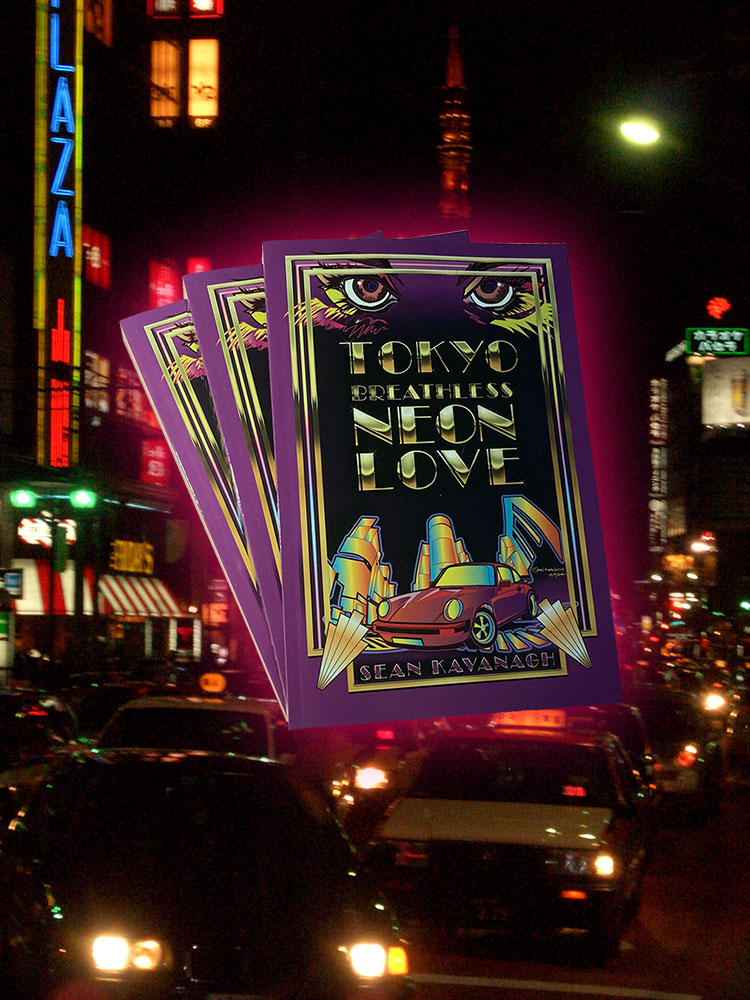
I think many visit this website, as you can tell that my perspective is like no other out there. I tell you exactly as it was without trying to make myself sound good. At the time in Japan, nobody bothered to document what was going on during a really exciting time. Although there is a piece of art and literature written during the peak of Tokyo's Fashion and Street Culture Phenomenon... And that is
TOKYO BREATHLESS NEON LOVE
It was written in the early to mid-2000s about the 2000s in Tokyo. There is no other, nor will there ever any other work of art like it. Everything on its pages - are from the heart. Whoever you are out there... I hope it reaches your heart too.
Sean Kavanagh
- A Novel About Japan Like Never Before
- A Coming-Of-Age Story set in the Futuristic Far East
- Enter a Hidden World of Japanese Fashion... Far Beyond the Experience & Perspective of Even the Deepest of Insiders
- Live the 2000s in Tokyo as if you were there now... (The Only Other Option is a Time Machine)
- Escape Reality & Endless Scrolling... You are in the right place now... This is the book for you!
- A Mysterious Adventure that will Change Your Life Forever
- A Powerful Master Key Unlocked... That will give you the Fierce Will-Power to Succeed No Matter What!